Patience vs a Real Problem
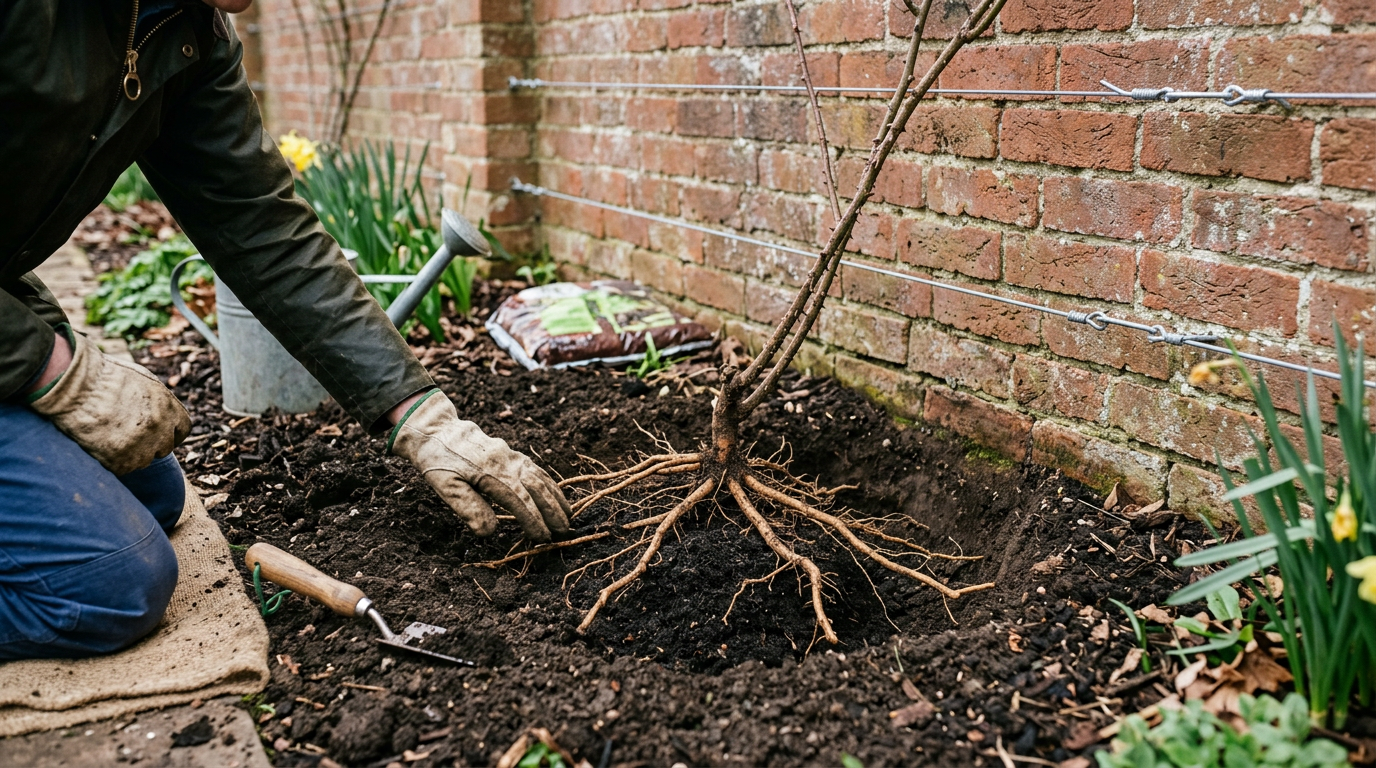
Bare root roses usually break dormancy from late March into May, depending on variety, weather, and where you garden. Coastal Cornwall will green up before a cold inland pocket in Scotland—so mid-April panic is often premature. Real problems tend to show as dry or blackened roots, a plant that rocks loose in the soil, or no meaningful growth by early summer despite reasonable weather. At Harkness Roses we talk to gardeners every season about the same handful of causes; working through the steps below usually tells you whether to wait, adjust care, or get in touch with your supplier.
Timeline: What “Normal” Looks Like
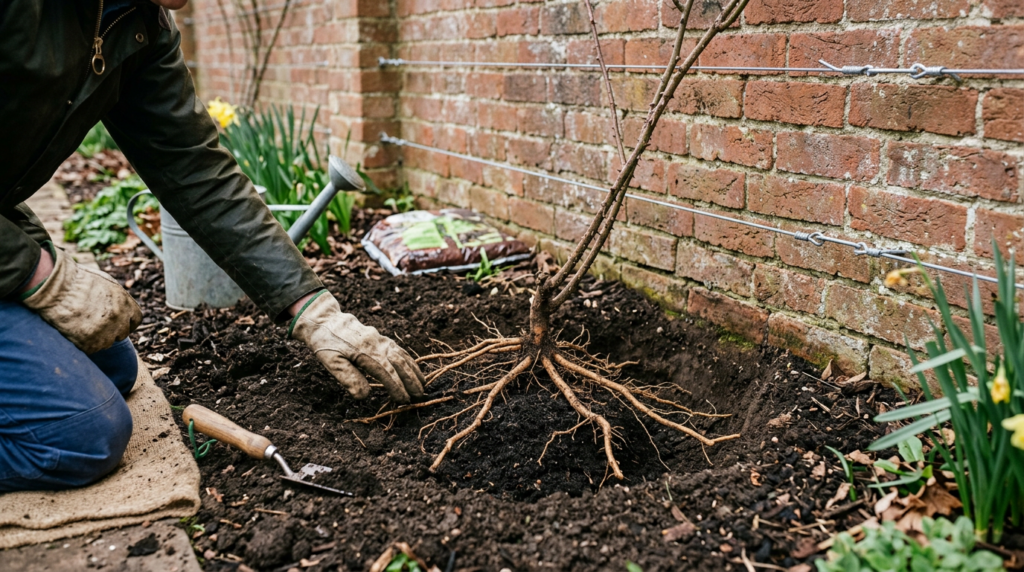
Late-winter planting often shows subtle bud swelling by April. March planting usually pushes sooner. A cold spring delays everything—compare with other roses near you, not with photos from warmer climates. If there is still almost no leaf by late May in a typical UK year, it is worth investigating—but scratch the bark first before assuming the worst.
Step 1: Scratch the Bark
Scrape a small sliver of bark low on the stem. Green cambium underneath means the wood is alive; brown and dry right through suggests dieback above that point. If the base is green but the top is black, prune back to a healthy outward-facing bud—late frost or drying winds sometimes damage tips only.
Step 2: Wiggle Test and Root Plate
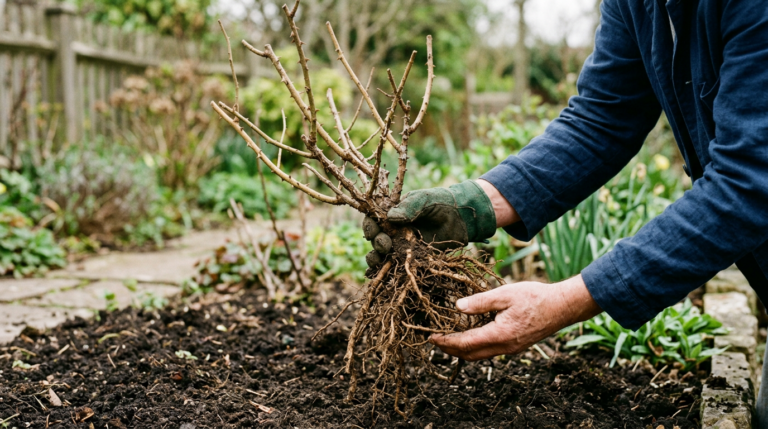
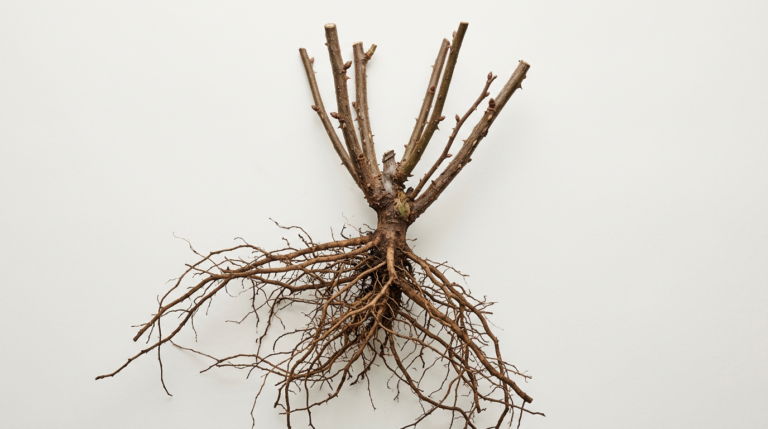
Hold the plant low down and rock it gently. If it feels loose, you may have poor root–soil contact, vole damage, or heaving in frost. Firm the soil and water slowly to settle it. If movement is severe, carefully expose the roots and look for tunnels, snapped roots, or roots that were left coiled and never spread out.
Step 3: Moisture—Too Dry vs Too Wet
Rain shadows under eaves and against walls are easy to underestimate—probe about 10 cm down; if it is dusty, soak deeply. Yellow leaves, a sour smell, or algae on the soil surface can mean waterlogging. Improve drainage, or in bad cases lift the rose and replant on a slight mound with better-prepared soil.
Step 4: Depth and Mulch Smothering
A graft buried too deep can slow establishment. Mulch piled against the stem (“mulch volcanoes”) can rot bark—pull material back so the collar sits clear.
Step 5: Pests Below Ground
Voles and wireworms sometimes damage roots, especially on sites recently converted from meadow. Ant nests under the hole can leave roots too dry. Inspect when the soil is workable; in extreme cases replace soil in the worst pockets before replanting.
Step 6: Nutrient Imbalance and pH
Less common straight after planting unless something is extreme—e.g. fresh manure against roots, or a variety very unsuited to your soil pH. A soil test helps if problems persist.
Step 7: When to Contact the Supplier
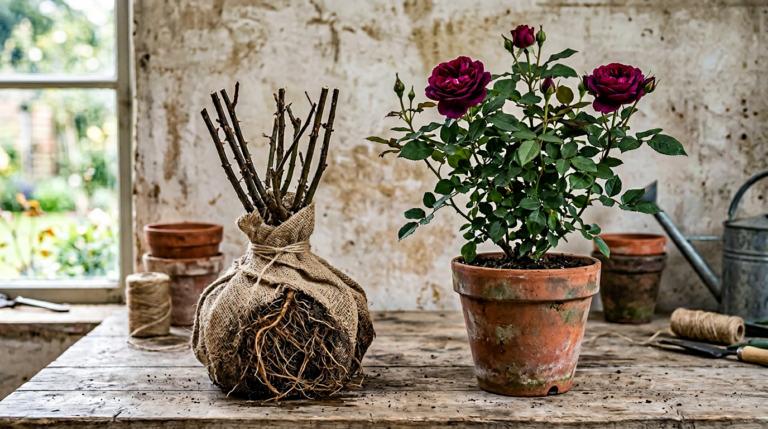
Photograph your plants on arrival and keep a note of planting date and care. If a rose has clearly failed by early summer despite sensible watering and a sound site, reputable nurseries will help under their terms—having dates and a short care summary makes that conversation straightforward.
What to Read Next
If you are still at the planning stage, our guides to bare root planting, watering in dry spells, and winter pruning go into more detail than this checklist. Healthy stock and a well-prepared hole solve most issues before they start.
Frequently Asked Questions
Should I feed a slow bare root? Wait until leaves have expanded, then use a light balanced rose feed—not heavy feeding while the plant is barely awake.
Do coffee grounds help? Unlikely to be a magic fix; large heaps can cause other problems.
Should I move it? Best moved while dormant unless it is an emergency (e.g. serious waterlogging)—then lift with roots kept moist and replant properly.
Conclusion
Many “slow” bare root roses simply need time or better watering; some need replanting, firming, or pruning to live wood. Run through the checklist before you write the plant off—you will understand your own garden better for the next rose you put in.




abc