Choosing between potted and bare root roses is one of the most common decisions gardeners face. Both can establish well and flower beautifully, but they suit different planting windows, budgets, and confidence levels. Understanding how each type is grown and sold makes it easier to choose the right option for your garden.
What Is a Bare Root Rose?
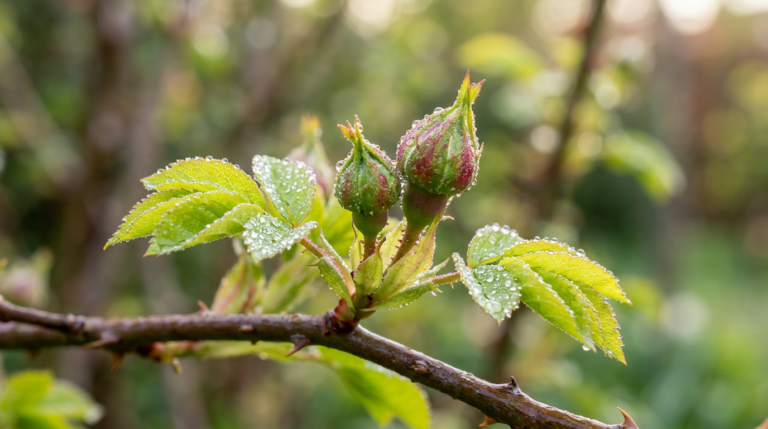
A bare root rose is lifted during dormancy and sold without soil around the roots. In the UK, this is usually from late autumn to early spring, depending on weather. The plant is dormant, which makes handling and transplanting easier when done correctly.
Bare root roses often have a strong root structure and can establish quickly once planted. Because they are sold without a pot, they are usually lighter to handle and straightforward to position in new beds or borders.
What Is a Potted Rose?
A potted rose is sold in compost inside a container. It may be actively growing, in leaf, or in bud depending on the season. Because the root ball is already in soil, planting is usually less disruptive to the plant.
Potted roses offer flexibility because they can be planted for much more of the year, provided conditions are suitable and watering is reliable. They are often a good option for gardeners who miss the bare root season or want to plant in smaller stages.
Best Time to Plant in the UK
For bare root roses, the best window is typically November to March while plants are dormant and soil is workable. Avoid planting into frozen or waterlogged ground.
Potted roses can be planted in spring, summer, or autumn, but summer planting needs closer watering management, especially during hot or windy spells. Autumn and spring are often easier for establishment because temperatures are milder and soil moisture is more stable.
Establishment: First-Year Differences
Bare root roses may look less impressive at planting time, but that is normal. Their early growth goes into root establishment first, then top growth follows. A slow start does not necessarily mean a weak plant.
Potted roses often give a quicker visual result because they already have top growth. However, they still need careful aftercare while roots move out from the original compost into surrounding soil.
In practical terms, both can perform very well by the end of the first full growing season if planted well and watered correctly.
Soil Preparation Matters More Than Type
Whether you choose potted or bare root, preparation is the biggest factor in long-term performance. Dig a generous planting hole, improve structure with organic matter where needed, and ensure drainage is good. Roses dislike sitting in persistently wet ground.
Aim for open, friable soil around the root zone so new roots can spread. If your ground is heavy clay, avoid creating a smooth-sided hole that traps water. Break up the sides and base so roots can move naturally into surrounding soil.
Planting Depth and Positioning
For both types, correct depth is essential. In most UK gardens, position the graft union (where the rose is budded) at or just below soil level, adjusting slightly for local climate and exposure. In colder locations, slightly deeper planting can offer extra protection.
With bare root plants, spread roots out naturally in the hole and firm in gently to remove air pockets. With potted plants, tease out circling roots lightly if they are tightly wound before planting.
Watering and Mulching
After planting, water thoroughly to settle soil around roots. During the first growing season, monitor moisture regularly, especially in dry spells. Deep, occasional watering is generally better than frequent shallow watering.
Apply a mulch layer once soil has warmed in spring. Mulch helps retain moisture, moderates temperature swings, and improves soil structure over time. Keep mulch clear of direct contact with the stem base.
Feeding and Early Pruning
Newly planted roses benefit from a simple, consistent feeding plan rather than heavy early feeding. Follow label rates for a balanced rose fertiliser in spring and repeat as advised.
For pruning, bare root plants are usually pruned at or soon after planting depending on rose type and timing. Potted roses may need lighter initial pruning if already in growth. The goal in year one is balanced structure and healthy framework, not maximum size.
Which Should You Choose?
Choose bare root if you are planting in winter, want to establish several roses at once, and are comfortable planting dormant stock. Choose potted if you need a wider planting window or want a plant that is easier to place during active growth.
The better choice is usually the one that matches your season, soil readiness, and ability to provide aftercare. Good planting and consistent first-year care matter far more than whether the rose started potted or bare root.
Common Mistakes to Avoid
- Planting into frozen or saturated soil
- Setting the graft union too high above soil level
- Underwatering in the first summer
- Overfeeding early instead of focusing on establishment
- Skipping mulch and then struggling with moisture swings
Conclusion
Potted and bare root roses are both reliable options when matched to the right timing and conditions. Bare root roses are excellent for dormant-season planting and strong establishment. Potted roses offer flexibility and easier in-season planting. If you prepare soil properly, plant at the right depth, and stay consistent with watering and aftercare, either type can become a healthy, long-lived rose in a UK garden.